← Back to projects
Shelter for internally displaced persons
‘Shelter for IDPs’ is a project aimed at providing temporary accommodation for internally displaced persons who have been forced to leave their homes due to the war.
The Foundation helps to create safe, warm and minimally equipped spaces where people can live, recover and plan for their future
About the project
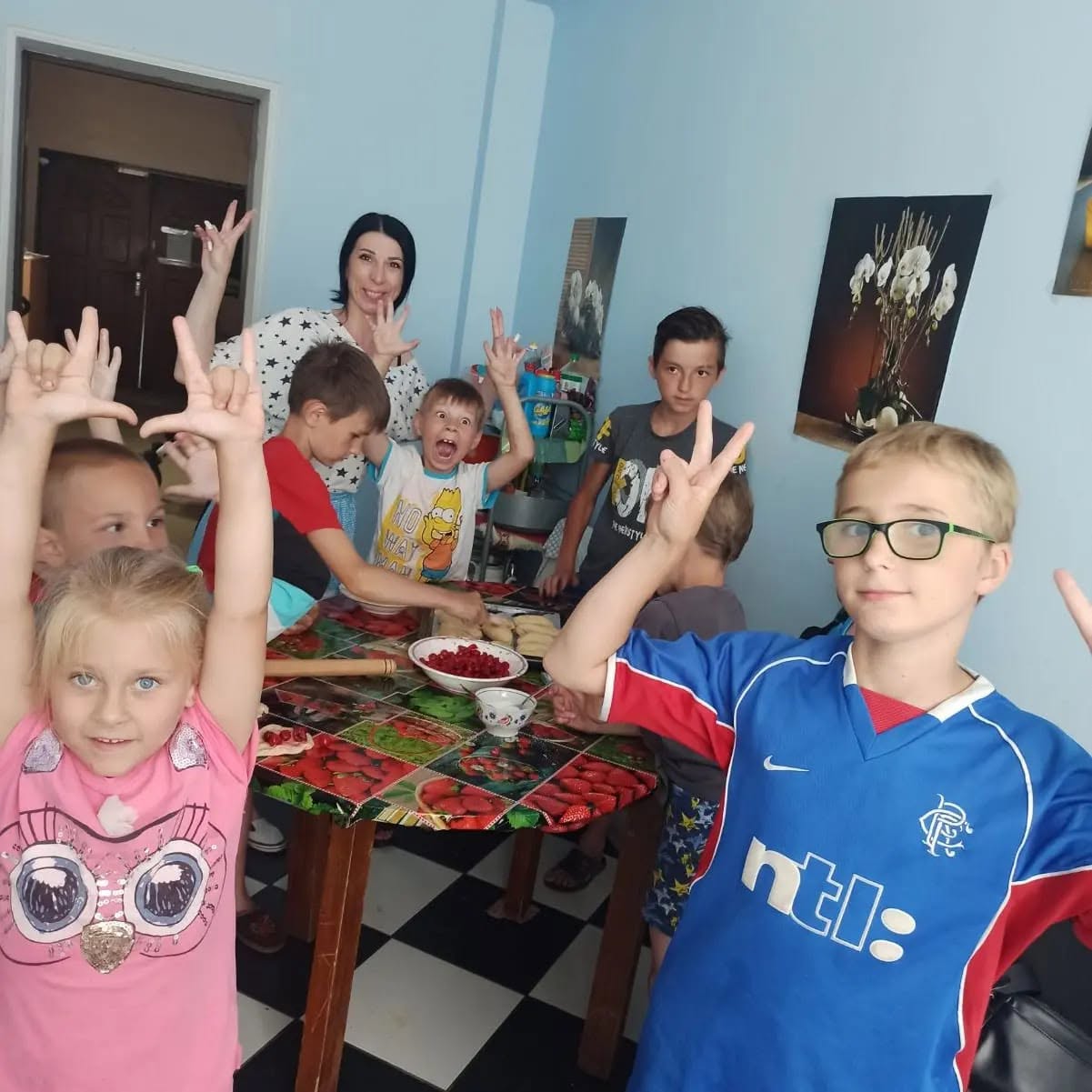
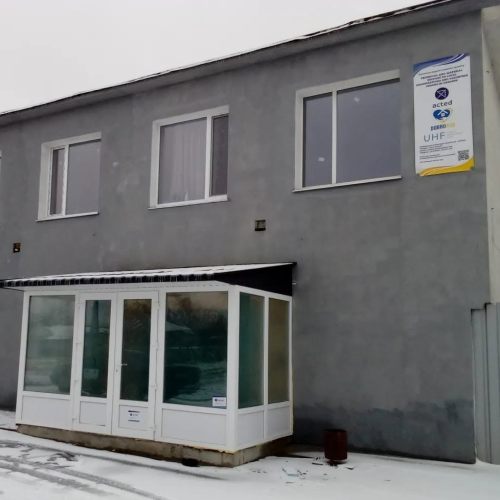
As part of the ‘Shelter for IDPs’ project, the ‘Dobrobud 2022’ Charitable Foundation is organising temporary accommodation for people who have been forced to leave their homes and seek refuge in safer regions. These may include halls of residence, social care facilities, converted buildings or specially adapted premises designed for the compact accommodation of families and individuals.
The project focuses not only on providing a ‘roof over their heads’, but also on creating basic, decent living conditions: heating, water, ventilation, bathrooms, basic furniture and private space.
All of this is being implemented in collaboration with local communities, partners and voluntary initiatives.
What we do
- we organise temporary accommodation for internally displaced persons in safe communities;
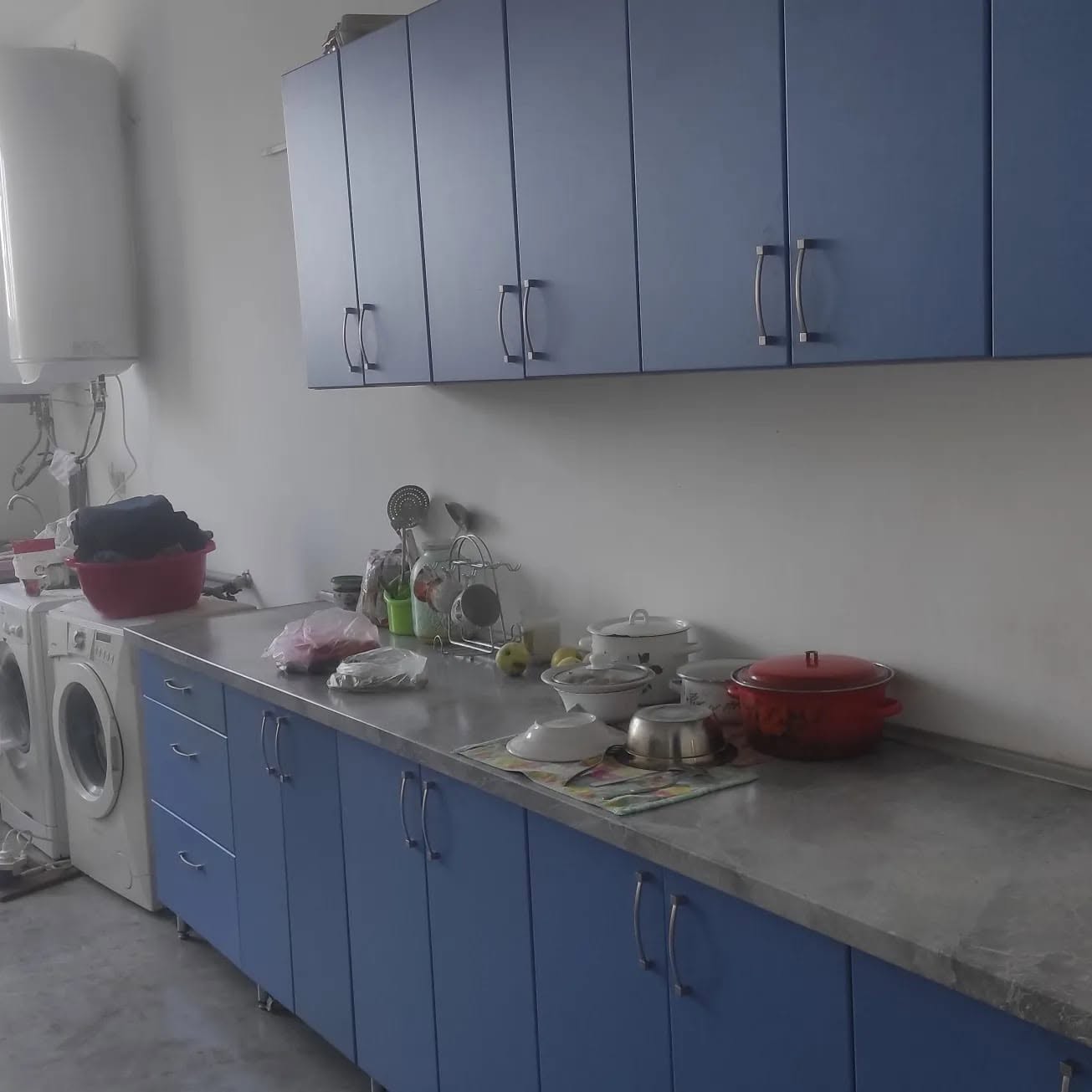
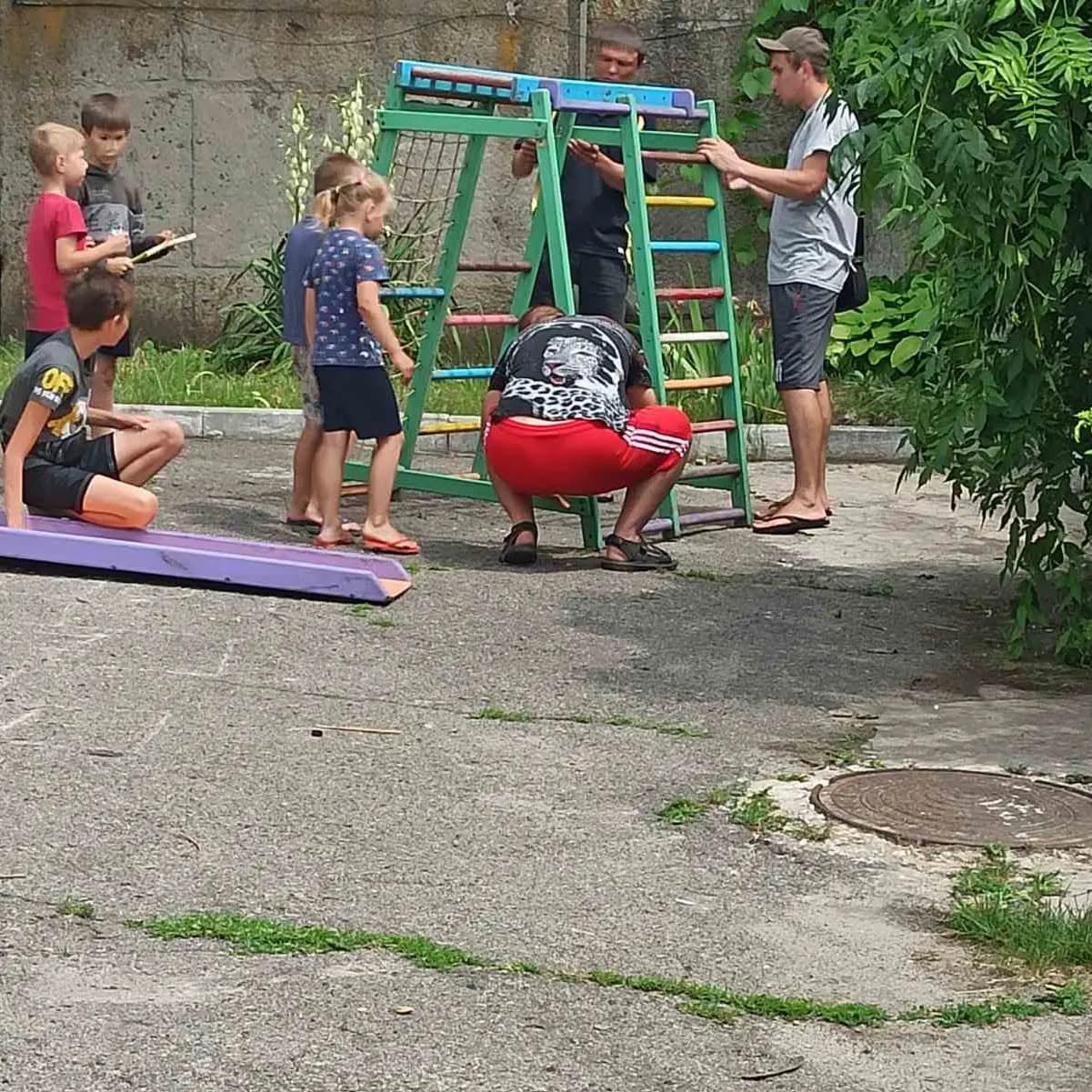
- we renovate and adapt premises (bedrooms, kitchens, bathrooms, communal areas) for long-term habitation;
- we provide basic furniture: beds, mattresses, wardrobes, tables, chairs and other essential household items;
- we integrate technical solutions from other areas of the foundation’s work — water supply and ventilation systems — to ensure that the accommodation is not only temporary but also safe and comfortable;
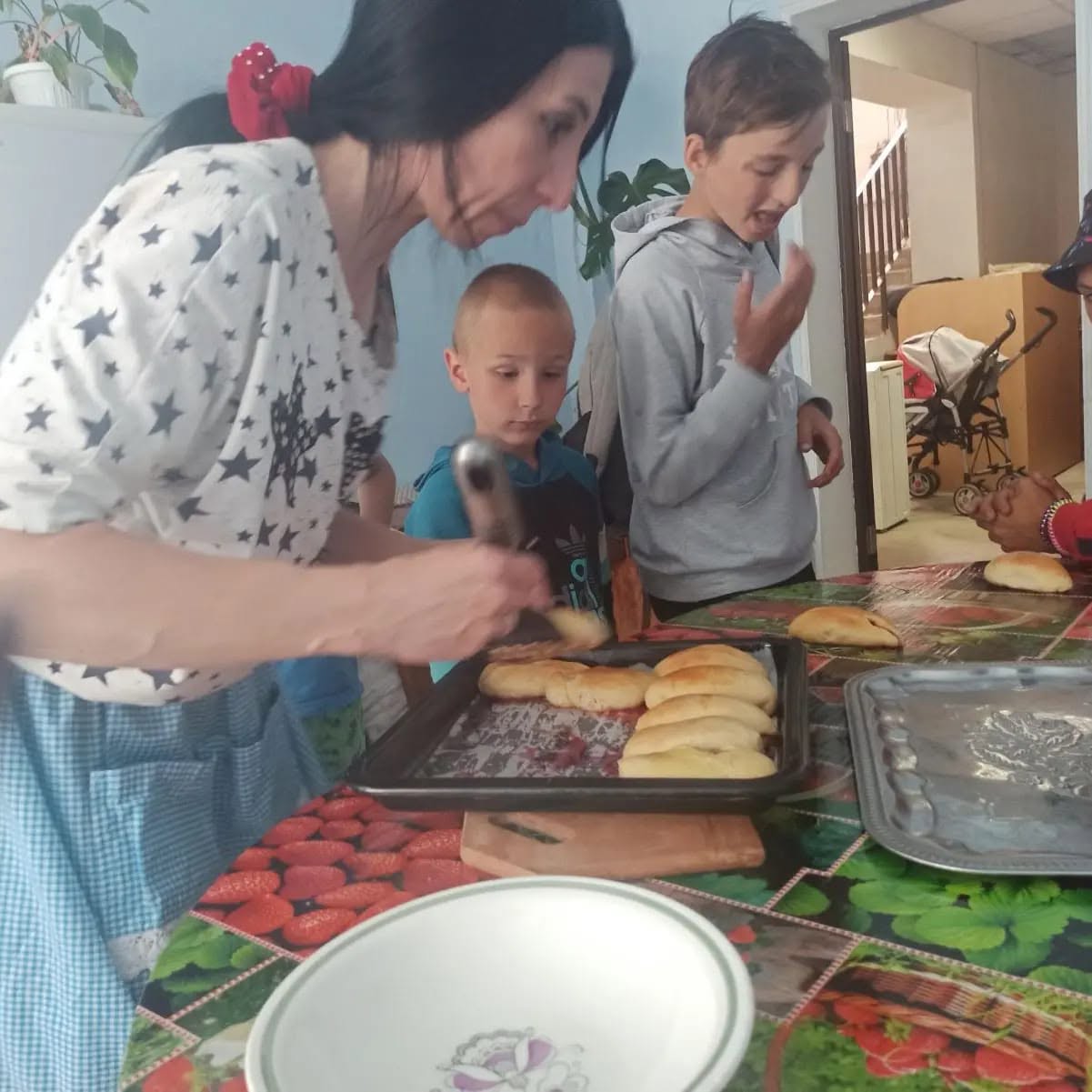
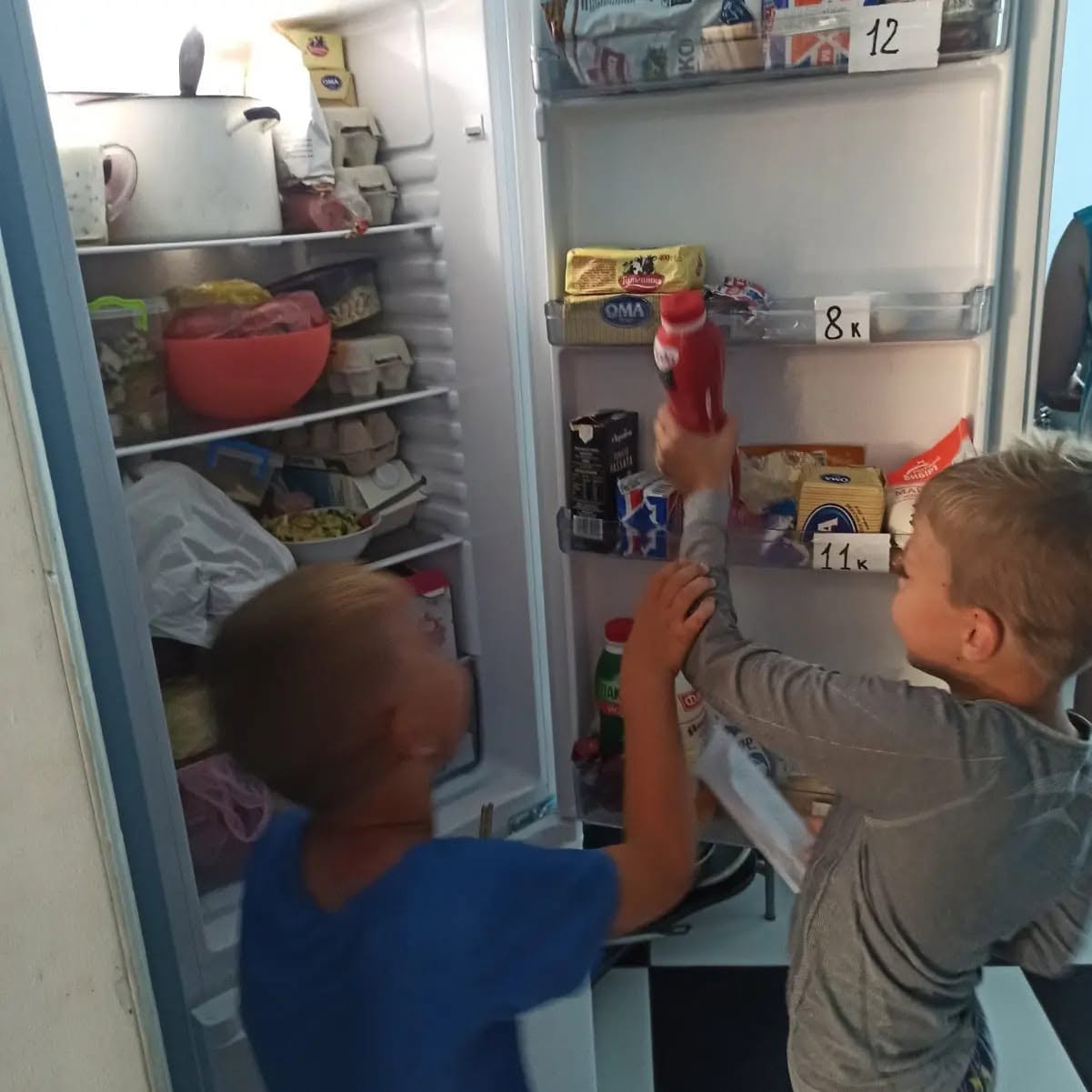
- we coordinate the distribution of humanitarian aid (food, hygiene products, household items) to shelter residents to meet their key daily needs.
Who is this project for?
The shelter for IDPs is intended for internally displaced persons who have lost their homes or are temporarily unable to use them: families with children, older people, people with disabilities and other vulnerable groups.
The project pays particular attention to those who are unable to rent accommodation independently, who live in overcrowded or unsuitable conditions, and those who require comprehensive support — ranging from shelter to humanitarian aid.